
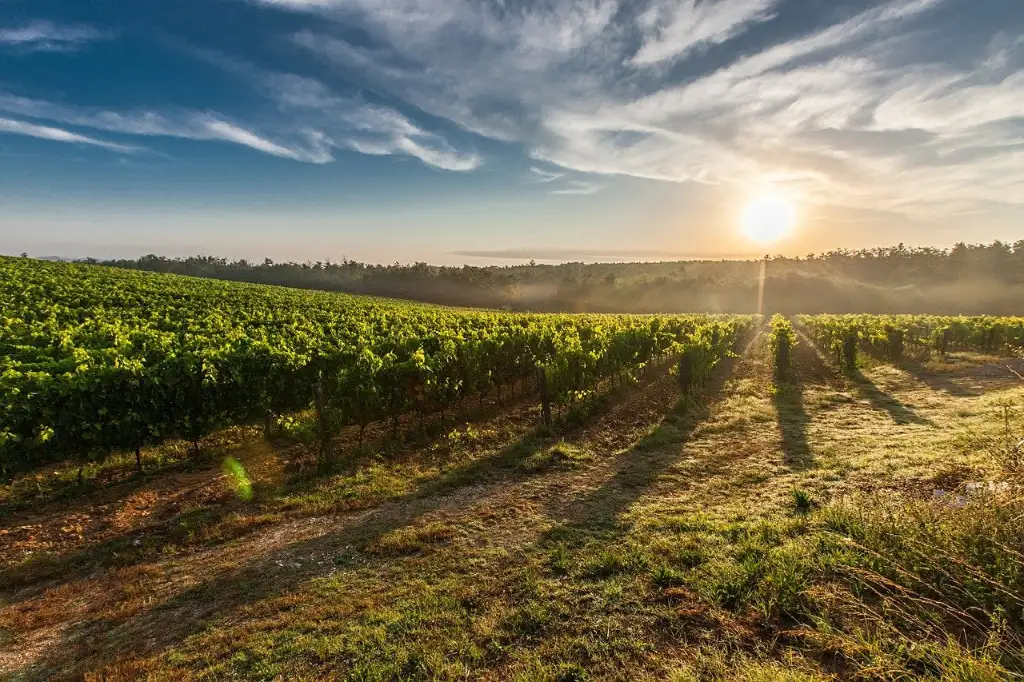
Hail risk mitigation with cloud seeding balloons and drones
SELERYS’s hail risk mitigation program seeds a forming storm cell with silver iodide (AgI) or hygroscopic salt to alter hailstone formation before the hail reaches the ground and causes damage.
LAICO cloud seeding balloons and drones deliver the agent directly into the cloud, guided by CIRRUS software from launch to ignition.
A validated cloud seeding program in a premium wine-growing region in southwestern France cut hail risk by 87%, delivered 7x fewer hail impacts, and fully eliminated hailstones larger than 2.5cm, with an operational success rate above 90%.
Hail risk mitigation at a glance
- Use cases: protects vineyards, orchards, fields, and property
- Efficiency: clouds are seeded directly, which saves active compound
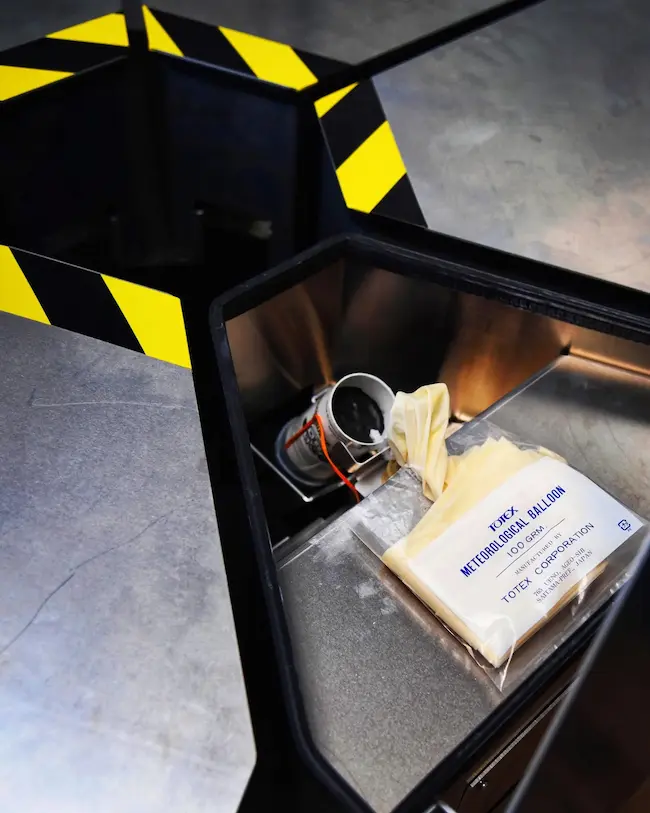
- Speed: our LAICO SOBLI cloud seeding balloons launch in under 5 minutes and reach the storm cell within the 10-minute treatable window
- Coverage: balloons operate around the clock and don't require per-flight authorization, while LAICO drones extend reach beyond a fixed launch station
How SELERYS suppresses hail
Hail forms when supercooled water freezes onto a particle inside a cloud and keeps growing as convection carries it through the storm. SELERYS seeds the cloud with silver iodide or hygroscopic salt while the cell is still forming, splitting the available moisture across many small crystals that cause less damage than large hailstones.
A balloon releases the agent directly inside the target cloud and guarantees a 100% transfer rate, which no below-cloud method can offer. It launches fast enough to catch the short window when a convective storm cell can be seeded.
Cloud seeding mechanism for hail reduction
- Ice-crystal splitting: silver iodide multiplies ice-forming particles, spreading a cloud’s moisture across many small crystals instead of a few large hailstones
- Early rainout: hygroscopic salt lower in the cloud grows droplets heavy enough to fall as rain before reaching the hail-forming layer
- Material efficiency: in-cloud seeding needs about 25% of the material a below-cloud method requires
- Reaction window: fast enough to reach the storm cell within the roughly 10-minute treatable window
Field results
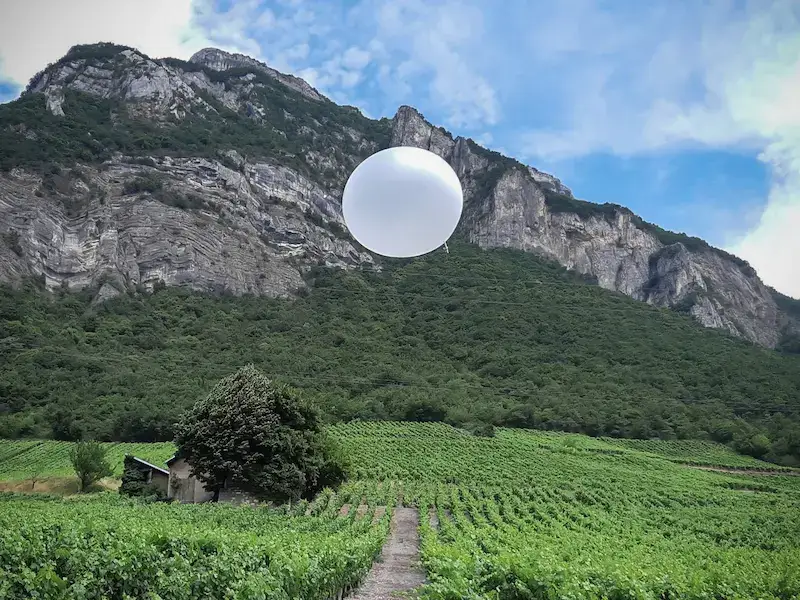
SELERYS has been running a successful multi-season hail mitigation program in a premium wine-growing region in southwestern France, where treated vineyards saw 87% less hail risk and 7x fewer impacts than the untreated control zone, with zero hailstones over 2.5cm.
Beyond vineyards and agricultural estates, hail suppression also means fewer insurance claims for buildings, vehicles, and other exposed property.
Field results at a glance
- Frequency: hail risk cut 87%, with 7x fewer hail impacts than the untreated control zone
- Severity: 100% of hailstones larger than 2.5cm eliminated
- Reliability: over 90% success rate, reaching 95% for large hailstorms when balloons launch ahead of the storm
- External validation: independent hail-program evaluations elsewhere report insurance-claim reductions of 27% to 58%, consistent with SELERYS’s own results
- Clients: SELERYS protects vineyard and estate names including Pétrus, Angélus, Figeac, Chapoutier, and Bernard Magrez, as well as complete regions for institutional customers
Balloon or drone for hail risk mitigation
Balloons launch from the same fixed, permanent station, ready to seed the same vineyard or agricultural property season after season without the need for an operator or clearance. Drones can be called in to strengthen some cloud seeding operations.
Under civil aviation rules, manned aircraft can seed only one storm cell at a time. By contrast, SELERYS can launch balloons from multiple stations simultaneously, and so can a squad of drones.
LAICO SOBLI balloon vs. drone
- Balloon: the same launch station can be used for years
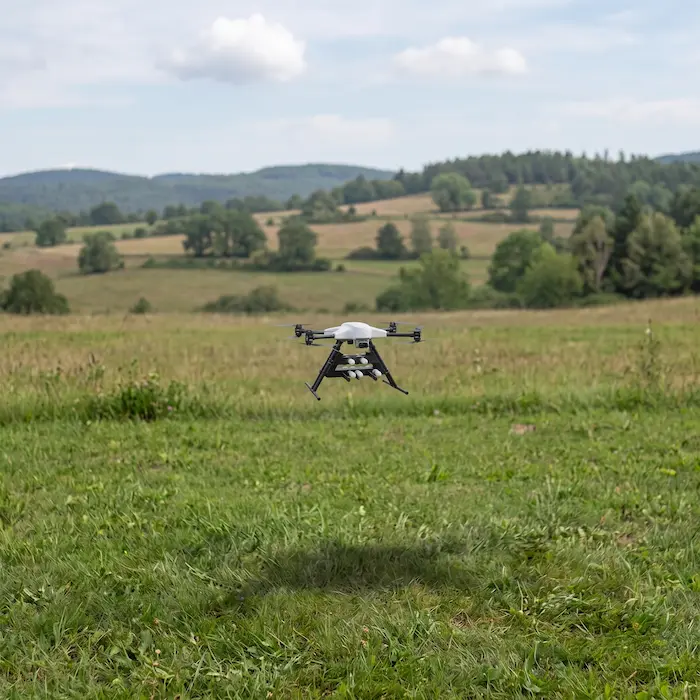
- Drone: can strengthen balloon cloud seeding operations
- Balloon network: coordinated launches across many stations at once, something a manned aircraft can’t do under civil aviation rules
- Both platforms: feed the same CIRRUS dashboard in real time, alongside SKYDETECT and EVEARLYS storm data
How SELERYS compares to traditional hail suppression methods
SELERYS proposes more efficient cloud seeding methods for hail reduction than traditional ground-based generators and anti-hail rockets. Seeding directly inside the cloud with a guided balloon needs about 18 times less agent than a ground-based generator, and 2 to 4 times less than a regular anti-hail rocket, to produce the same effect. Unlike manned aircraft for cloud seeding, our LAICO SOBLI balloon network doesn’t require a pilot, is ready to fly within 5 minutes, and can address multiple storm cells at once.
| Method | Reaction Time | Key Limitation |
|---|---|---|
| Ground-based generator | Minutes, low delivery height | Releases from the ground, needs about 18 times more material than a guided balloon |
| Traditional anti-hail rocket | Minutes | Needs 2 to 4 times more material than a guided balloon, one launcher per shot |
| Manned aircraft | Tens of minutes to hours | One storm cell at a time under civil aviation rules, grounded by darkness and weather |
| LAICO Smart Drone | Under 15 minutes | Needs a licensed operator and flight clearance before every mission |
| LAICO Smart Balloon | Under 5 minutes | No operator or per-flight authorization needed; works around the clock |
Frequently Asked Questions
What is hail risk mitigation, and how does it work?
Hail risk mitigation, also called hail suppression, as proposed by SELERYS, consists of seeding a storm cloud with silver iodide (AgI) or hygroscopic salt before it can produce damaging hail. Silver iodide splits a cloud’s supercooled water into many small ice crystals that cause much less damage than large hailstones. Hygroscopic salt grows droplets heavy enough to fall as rain before they reach the hail-forming layer. Both methods reduce hailstone kinetic energy, the measure most commonly used worldwide to gauge crop and infrastructure damage. SELERYS delivers the agent with LAICO SOBLI balloons or smart drones, guided by CIRRUS software directly into the cloud.
Does cloud seeding measurably reduce hail damage?
Yes. In a validated, multi-season program in a premium wine-growing region in southwestern France, hail risk fell 87%, hail impacts fell 7x, and hailstones larger than 2.5cm were eliminated. Independent evaluations reached similar conclusions: Greece’s national hail suppression program cut insurance compensation by 58%, and a separate evaluation in North Dakota found that insurance indemnities fell 45%.
Is SELERYS a hail suppression service provider in Europe and beyond?
Yes. SELERYS designs, installs, and operates complete hail suppression networks for vineyards, agricultural estates, and institutional clients across Europe, as well as in Morocco, Chile, and Asian countries. Our anti-hail systems include balloon launch stations, drones, SKYDETECT storm radars, and the CIRRUS software that orchestrates the missions.
Cloud seeding balloon or drone: which is better for hail mitigation?
A balloon suits a fixed site that needs protection from hail every season, because it can launch in less than 5 minutes and doesn’t require an operator. A drone squad can be useful for strengthening operations, though drones need a licensed operator and flight clearance first.
How is balloon-based hail suppression by SELERYS different from ground-based or rocket-based methods?
Seeding directly inside the cloud needs about 18 times less material than a ground-based generator and 2 to 4 times less than a traditional anti-hail rocket for the same effect.
Which clients has SELERYS protected from hail?
SELERYS has run hail risk mitigation programs for clients like Pétrus, Angélus, Figeac, Chapoutier, and Bernard Magrez, along with institutional partners such as the Chambre d’Agriculture du Rhône and Maroc Météo.
Is hail suppression with SELERYS safe and environmentally friendly?
Yes. Our LAICO SOBLI balloons launch autonomously, and their disposable components are inert, unlike a drone’s lithium batteries or a manned aircraft’s fuel burn. A standard balloon-based program saves roughly 75 tonnes of CO2-equivalent a year compared to aircraft seeding, per an independent European Commission-sponsored survey.
How fast can SELERYS respond once a hail-producing cloud is spotted?
LAICO balloons launch within 5 minutes of a decision and LAICO drones within 15, both fast enough to catch a convective storm cell’s short treatable window inside its 20-minute life cycle.
get in touch with our team
and find the best response to your needs