
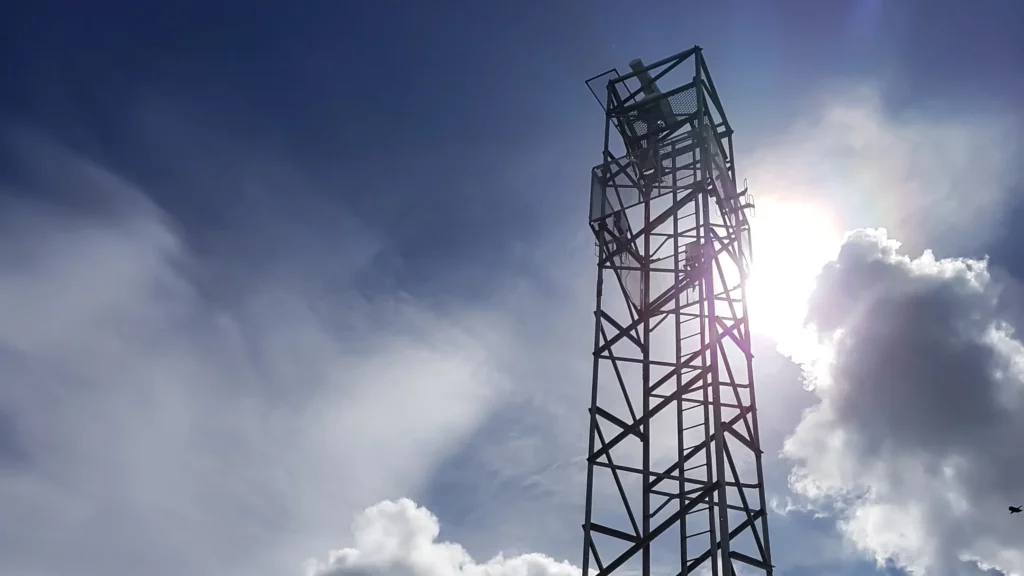
EVEARLYS lightning detection interferometer
EVEARLYS, SELERYS’ VHF/UHF interferometer, catches more than 99% of total lightning activity inside a storm cell.
EVEARLYS detects electrical activity inside a storm cell much earlier than a low-frequency detector or rainfall radar. It pinpoints each signal’s origin by comparing its arrival across multiple antenna panels. Our interferometer covers intra-cloud and cloud-to-ground activity and feeds CIRRUS software, allowing operators to anticipate severe storms.
EVEARLYS at a glance:
- Detects over 99% of total lightning: intra-cloud, cloud-to-cloud, cloud-to-ground.
- Flags lightning risk before the first cloud-to-ground strike, ahead of low-frequency sensors.
- Works with SKYDETECT or any X-band radar (SELERYS-patented coupling).
- Sends automatic SMS, email, or voice alerts at set thresholds.
- Needs only 4 lightweight panels, connected via GSM, ADSL, or satellite.
EVEARLYS use cases by industry
Any site where lightning can endanger crew or equipment, or force an evacuation, needs early storm warning. Sites served by SELERYS range from the CNES Kourou Space Center to construction yards and cloud seeding areas.
How EVEARLYS is used
- Airports and rocket launch sites delay ground operations or countdowns.
- Construction crews gain time to secure sites and leave exposed structures.
- Cloud seeding teams time LAICO balloon and drone launches to storm maturity.
- Energy sites, such as solar installations and substations, avoid hours of downtime.
- Telecom crews and mines, especially open-pit sites, clear exposed equipment and ground.
- Music festivals and other outdoor events clear crowds before the storm.
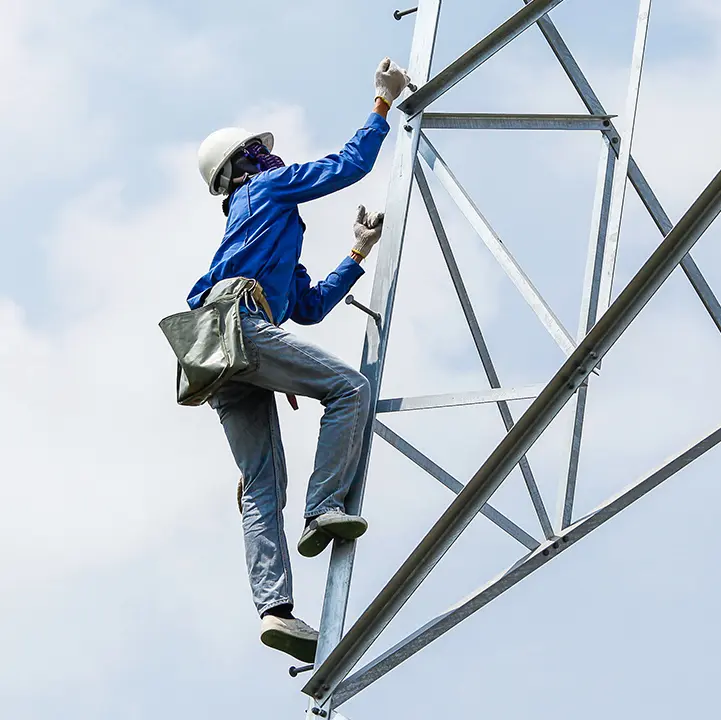
Total lightning detection and SKYDETECT integration
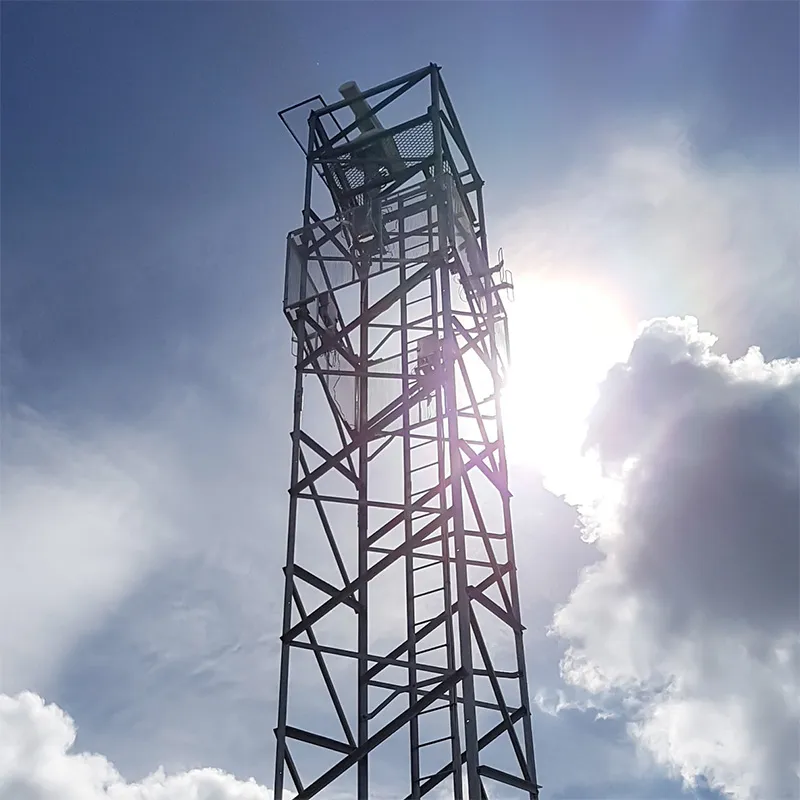
Through UHF interferometry, EVEARLYS compares signal arrival across 4 antenna panels to locate each flash inside the cloud. Once SKYDETECT has picked out a storm cell, EVEARLYS judges its maturity based on lightning activity.
EVEARLYS detection capabilities
- Over 99% of total lightning, including flashes that never reach the ground.
- Electrical buildup identified before a cloud is dense enough for a rainfall radar.
- VHF/UHF interferometry recognized by NASA and EUMETSAT.
Automated alerts and remote monitoring
EVEARLYS scores all lightning activity against operator-set thresholds and alerts the right person at each threshold. It connects directly into CIRRUS, SELERYS’s weather management software, for a complete view of a site’s weather risk. CIRRUS archives over a year of EVEARLYS data, searchable by date.
Alert and monitoring features
- Alerts by SMS, email, or voice call.
- Remote access from any smartphone, tablet, or computer.
- Integration with CIRRUS, SKYDETECT, and the LAICO balloon and drone fleet.
- Role-based accounts for field staff, control-room operators, and management.
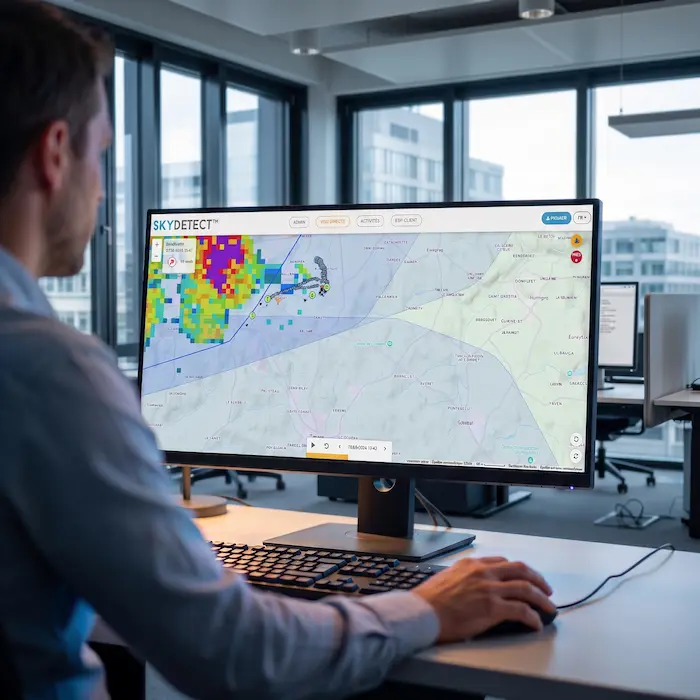
Technical specifications
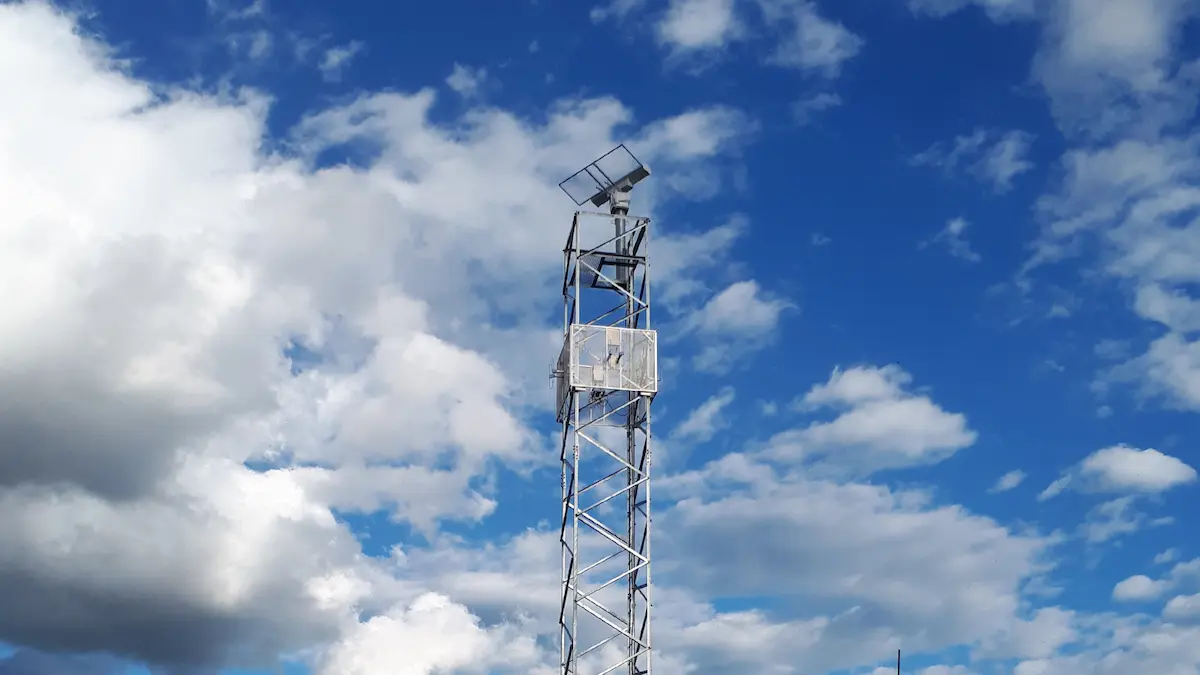
Lightning activity can spike within seconds. EVEARLYS pairs a faint-signal threshold with microsecond processing to alert an operator within moments of a strike. Continuous UHF-band monitoring and manual and automatic calibration keep the threshold and processing resolution stable over time.
EVEARLYS by the numbers
- Detection capacity: 99% of total lightning, intra-cloud and cloud-to-ground.
- Flash sources: 10,000x more than any other operational sensor.
- Acquisition threshold: -97 dBm, enough for faint radio signals.
- Processing resolution: 10 microseconds.
- Installation: 4 panels, each 1.3m x 1m and 7kg, with 180° view.
- Backup power: at least 4 hours, so detection continues through outages.
- Patents: 3, covering architecture, X-band radar coupling, and ToA coupling.
Installing an EVEARLYS system
Every EVEARLYS installation starts with a site assessment. SELERYS checks the 180° sky view of each of the 4 panels, power access, and the best connection type, and only then mounts the hardware. Remote monitoring works equally well for any site connection.
Installation essentials
- 4 lightweight panels per installation, 1.3m x 1m and 7kg each.
- Connection over GSM, ADSL, or satellite, whichever fits the site.
- Optional coupling with SKYDETECT radar, feeding one CIRRUS dashboard.
EVEARLYS and SKYDETECT: the differences between the two systems
| Category | EVEARLYS | SKYDETECT |
|---|---|---|
| Detection method | VHF and UHF interferometry, reading a storm cell's electrical activity | X-band radar (6kW antenna), reading a cloud's reflectivity |
| What it reveals | How electrically active a storm cell is | Where a storm cell is and how it's moving |
| Coverage | Four panels, 180° field of view each, 360° total | 30km radius, full half-sphere |
| Installation | Site assessment, four lightweight panels | Site assessment, single day, on a tower, mast, or building |
| Backup power | Minimum 4-hour UPS | Optional autonomous power supply for remote sites |
| Best at | Catching electrical buildup before a cloud is dense enough for rainfall radar | Tracking a storm cell's location and movement in real time |
The two systems are not interchangeable. A site that tracks only radar reflectivity can miss the electrical buildup of a storm, while a site that monitors only lightning will have no data on the location of the storm cell or the direction of its movement.
Frequently asked questions
Why does EVEARLYS track total lightning activity instead of only cloud-to-ground strikes?
Because intra-cloud lightning, the electrical activity inside a cloud that never reaches the ground, represents 90% of the total lightning activity and typically builds up way before a storm produces its first cloud-to-ground strike or its first rain. A system that only watches for cloud-to-ground strikes misses that earlier signal; tracking total lightning activity is what gives EVEARLYS its early-warning lead time. Each minute counts.
Does EVEARLYS need a SKYDETECT installation to operate?
No. EVEARLYS detects lightning and sends alerts on its own; SKYDETECT isn’t required. Coupling the two at the same site is optional, and it adds a combined lightning-plus-radar view of a storm cell.
What makes EVEARLYS different from other lightning detection systems on the market?
Unlike most commercial lightning detection systems, which rely on LF or HF sensor networks, EVEARLYS uses UHF and VHF interferometry, a patented SELERYS architecture. It is positioned as the only industrial VHF/UHF interferometry system currently sold commercially. Our solution detects and tracks 10,000 times more flash sources than any other industrial solution on the market.
How experienced is SELERYS in building storm and lightning detection technology?
SELERYS’ team brings decades of expertise and recognized scientific leadership in lightning detection and atmospheric monitoring. With numerous successful deployments across multiple continents, our team members have proven their expertise in diverse and demanding environments worldwide. This confirmed international experience allows us to offer reliable solutions tailored to our partners’ meteorological challenges.
What happens if EVEARLYS loses power?
A built-in UPS keeps EVEARLYS running for at least 4 hours on its own power. That matters because a lightning-heavy storm is exactly the kind of event that also knocks out grid power, right when detection is needed most.
Is EVEARLYS useful only for cloud seeding operations?
No. Cloud seeding is one of at least six sectors that use EVEARLYS, alongside airports, space centers and rocket launching sites, construction, energy, telecommunications, mining, and outdoor events and leisure. Any site where advanced lightning warning affects safety or operations can benefit from SELERYS’s interferometer, whether or not cloud seeding is involved.
get in touch with our team
and find the best response to your weather modification needs