
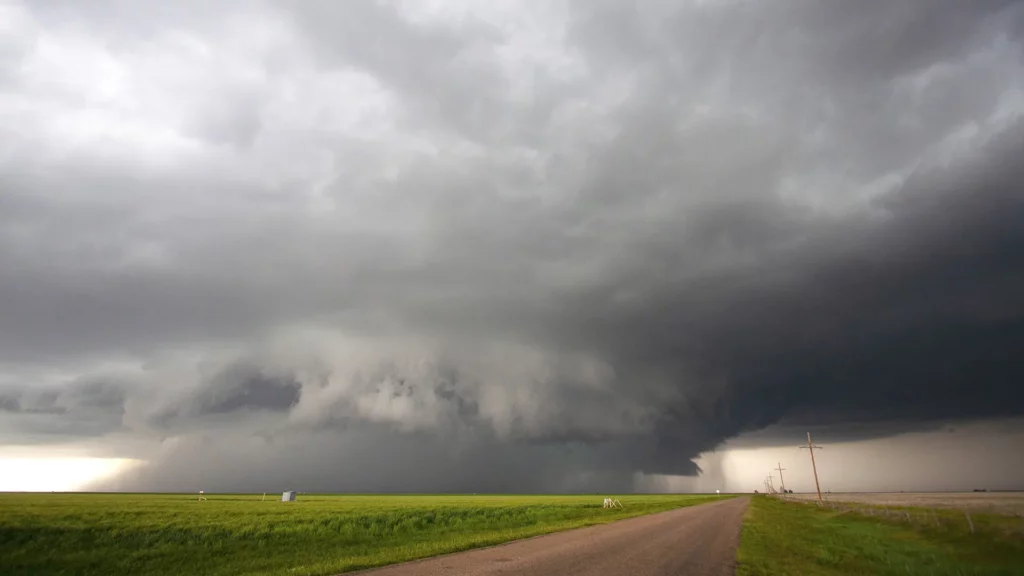
Whatever weather outcome a client needs — less hail, more rain, more snow, or clearer skies — SELERYS delivers it through cloud seeding.
The five use cases below rely on LAICO, SELERYS‘s brand of smart cloud-seeding balloons and drones, to disperse the cloud-seeding agent; SKYDETECT, our X-Band radar; and the lightning detection system, EVEARLYS, to track incoming storms and give clients advance notice of severe weather.
SELERYS's Five Use Cases
- Hail mitigation reduces hailstone size and frequency before a storm reaches territories, vineyards, farmland, or property.
- Rain enhancement increases rainfall in a targeted area to support hydropower, agriculture, and water supply.
- Snow enhancement builds a deeper snowpack to support hydropower, water availability, irrigation, and winter tourism.
- Fog dispersal restores visibility for airports and other transport hubs.
- SELERYS's storm early warning system detects severe weather and lightning risk before they strike, so operators at critical sites have time to prepare.
Rain Enhancement

SELERYS uses LAICO balloons and drones to increase precipitation wherever drought leaves farmland, reservoirs, or hydropower plants short on water, giving a region an active way to supplement its natural water supply.
As a result, a SELERYS rain enhancement program in Romania increased rainfall overall by >20%, with some specific events by 300% to 500%, and Romania’s Ministry of Agriculture independently confirmed the results.
Rain enhancement as a cloud seeding use case isn’t unique to SELERYS: more than 40 countries currently run their own operational atmospheric water resource management programs, according to the World Meteorological Organization, and several independently published programs elsewhere report comparable gains — Australia’s Snowy Mountains precipitation enhancement project measured a 14% increase, Israel’s Second Randomized Cloud Seeding Experiment showed a 13-18% increase, and the UAE’s national cloud seeding program reported a 23% increase.
Hail Mitigation
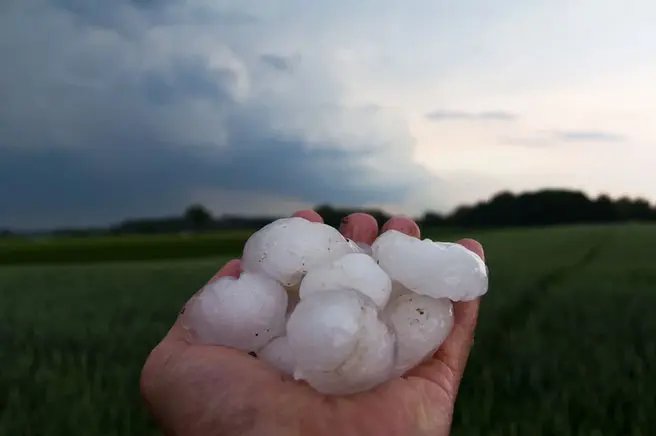
SELERYS interferes before a hailstorm can damage a season’s harvest, working while a storm cloud is still forming. Given that insurance rarely covers the full cost of a bad hail season, we use LAICO, our smart cloud-seeding balloons and drones, to disperse a cloud seeding agent that prevents ice crystals from growing into damaging hailstones. SELERYS‘s hail mitigation program lowers that cost directly by preventing the crop and property damage that would otherwise need an insurance payout.
In a prestigious European wine-growing area, SELERYS‘s results include an 87% reduction in severe hail frequency, a 100% reduction in the most destructive hailstones (>2.5 cm), and more than 90% operational efficiency. This demonstrates the validity of hail mitigation as a core cloud-seeding use case.
Snow Enhancement
How much snow falls each winter decides more than a ski season. It determines whether hydropower utilities can generate enough power the following summer and, further downstream, how much water is available for irrigation. LAICO and SELERYS‘s patented cloud-seeding balloons and drones add snowfall where our clients need it most, building a fuller snowpack for the season ahead.
SELERYS‘s snow enhancement systems rely on the same LAICO technology used for hail mitigation and rain enhancement, adapted for cold-cloud conditions, and each new deployment includes a rigorous, independent validation from the outset.
Snow enhancement is one of several objectives among the more than 40 countries with operational atmospheric water resource management programs recognized by the World Meteorological Organization, a track record backed by decades of independently published field results, including multi-year seeding research conducted directly in snowpack regions such as Australia’s Snowy Mountains.
Fog Dispersal
SELERYS‘s fog dispersal technology is backed by scientific modeling that predicts how a specific fog bank will form and clear. Each new fog dispersal program is measured against real visibility readings at the site, before and after treatment.
Fog forms when tiny water droplets suspended near the ground cut visibility below one kilometer, and SELERYS‘s balloons and drones counter it directly: the seeding agent alters the fog layer’s microphysical properties, encouraging those droplets to condense and clear. Balloons release the agent at low altitude and report real-time atmospheric data for mid-operation adjustments. At the same time, drones use GPS-guided precision targeting and can deploy several at once to cover a larger area.
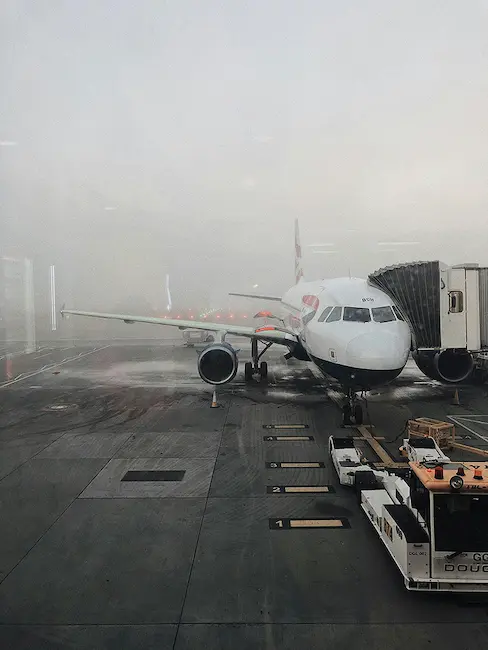
Airports benefit most from fog dispersal, since it reduces flight delays, diversions, and ground stops caused by low visibility. The same approach also improves safety and efficiency for maritime and road transport, as well as construction and energy operations in fog-prone areas – all thanks to our LAICO balloon that releases an agent designed to help water droplets clear from the air faster.
Storm Early Warning
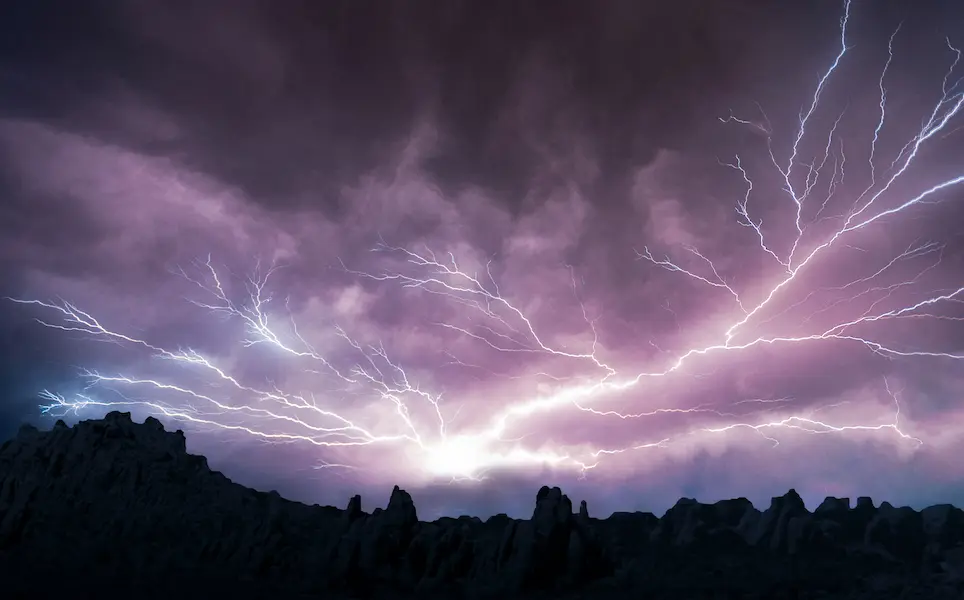
While it doesn’t depend on cloud seeding itself, storm early warning is another key use case for SELERYS‘s product range: our radar, lightning detection, and software work together to warn clients of severe weather before it strikes.
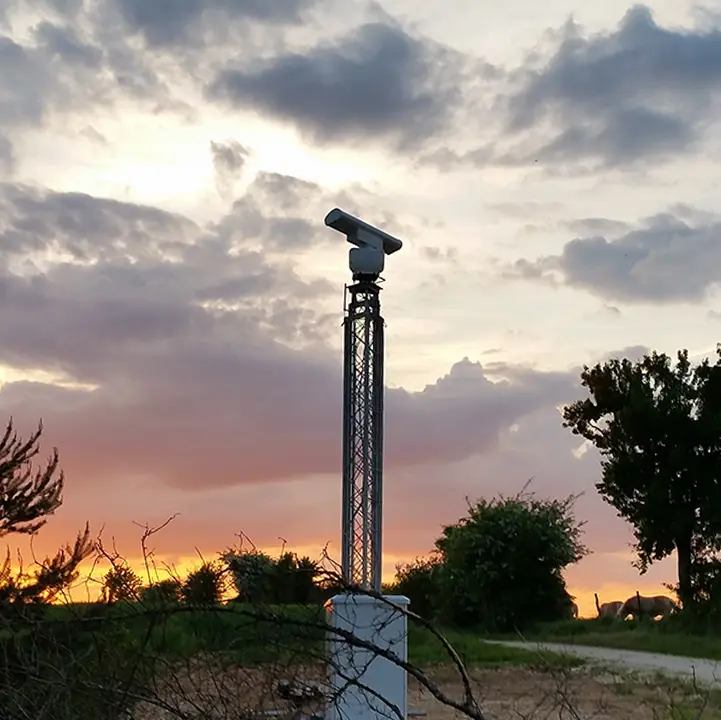
Once a SKYDETECT radar by SELERYS is installed on a tower, mast, or building, it runs around the clock, monitoring a 30km-radius half-sphere around each unit to distinguish a developing storm from harmless passing clouds well before the first drop of rain falls.
EVEARLYS, our lightning detection system, tracks more than 99% of total lightning activity, helping judge how mature a storm cell has become; NASA and EUMETSAT have recognized the technology.
CIRRUS, our weather management software, ties the two together: it tracks cloud cells in real time, anticipates their motion 10 to 20 minutes ahead, and sends an automated alert once a threshold is crossed in a client’s zone — giving operators real advance notice before a storm hits.
Cloud Seeding Balloons vs. Drones
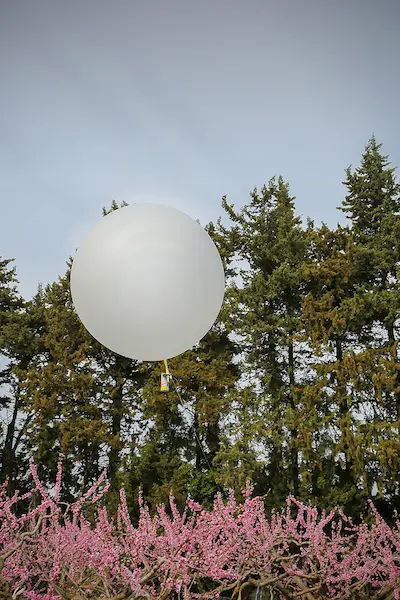
The choice between SELERYS’s cloud seeding balloon and the smart drone depends on several factors: the cloud targets a mission needs to reach, the human resources a client is willing to commit, local civil aviation constraints, and the cloud seeding strategy that best suits the mission. Balloons cover a fixed launch area continuously without a nearby pilot, carried aloft by helium, and work best for orchards, vineyards, mines, watersheds, ski areas, and other sites with a stable footprint. Drones require a licensed operator and civil aviation clearance for each flight. Still, that same per-flight flexibility lets them redirect to a different cloud target or storm cell as a mission’s strategy demands.
Both methods are managed through the same CIRRUS weather management software, plus the SKYDETECT X-Band radar and EVEARLYS lightning detection system described on the Products page.
Is Cloud Seeding Safe, and Does It Work?
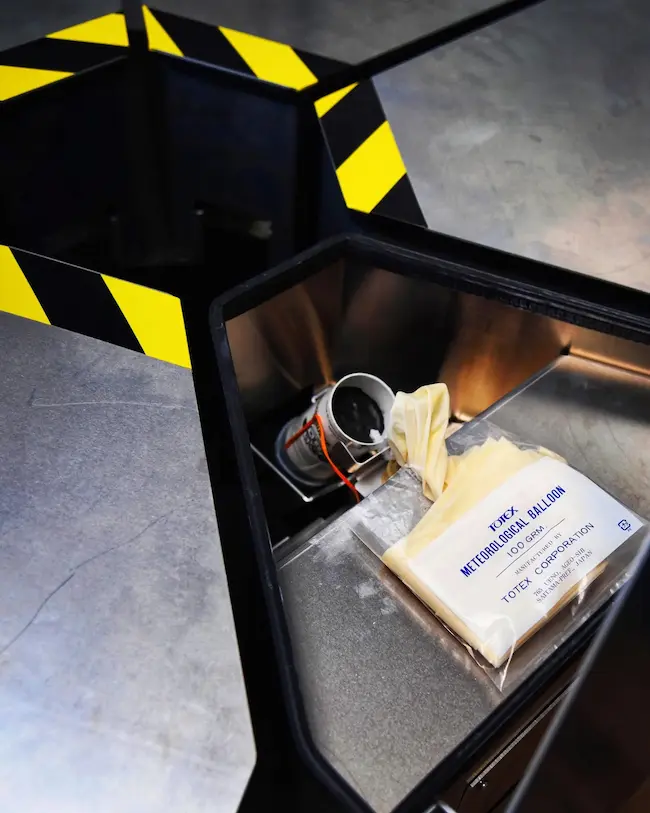
Cloud seeding is a mature, regulated technique used worldwide for decades. SELERYS’s LAICO system checks each hygroscopic salt or silver iodide flare before launch and ignites it only once the balloon or drone reaches its meteorological target, several minutes into the flight — this way, the seeding agent stays contained until it’s needed.
Because both delivery methods comply with civil air regulations, SELERYS’s patented balloon design requires no separate flight authorization for each launch.
Every SELERYS program undergoes the same independent validation: measured against a matched control area over multiple seasons.
Comparison table: Which use case matches your situation?
| Situation | Use Case | Effect |
|---|---|---|
| Territory, farmland, vineyards, orchards, or property at risk from hailstorms | Hail Mitigation | Less crop and property damage per storm season |
| Farmland, reservoirs, or a region short on rainfall | Rain Enhancement | A more reliable water supply without new infrastructure |
| Ski resorts, water utilities, or hydropower operators that need more snowpack | Snow Enhancement | A fuller snowpack heading into spring |
| Airports, ports, mines, or roads affected by recurring fog | Fog Dispersal | Fewer delays and safer operations in fog-prone conditions |
| Critical sites, mines, telecom infrastructure, or events exposed to storms and lightning | Storm Early Warning | Warning before severe weather arrives |
Frequently Asked Questions
What are SELERYS's cloud seeding use cases?
The four key use cases are: hail mitigation (also called hail suppression), rain enhancement, snow enhancement, and fog dispersal, all delivered with the same balloon and drone technology. A fifth use case, storm early warning, uses SKYDETECT and EVEARLYS (a radar and a lightning detection system, respectively) to detect severe weather.
Does cloud seeding actually reduce hail damage?
Yes: in a prestigious European wine-growing region where SELERYS implemented a program, the treated zone achieved an 87% lower risk (7 times fewer impacts) than unprotected areas, where hail increased by 222%. Even more impressively, for the most destructive hailstones (>2.5 cm), it recorded a 100% reduction over 4 years.
Can cloud seeding increase rainfall in a specific region?
SELERYS‘s clearest rain-enhancement example is in Romania: an overall increase in rainfall by >20%, with some specific events up to 300% to 500%, independently verified by the country’s Ministry of Agriculture.
For hail mitigation, does SELERYS use a balloon or a drone?
Both are available. SELERYS‘s balloons launch by remote command without needing a pilot or flight authorization, while its drones require a licensed operator and flight clearance before each mission. That makes balloons especially well suited to territories, vineyards and orchards, where the same launch site protects the same crop year after year.
Which clients has SELERYS worked with?
SELERYS‘s cloud seeding and storm early warning systems protect vineyards and estates, including Conseil des Vins de Saint Emilion, Maison des Vins de Sainte Estèphe, Pétrus, Angélus, Figeac, Chapoutier, and Bernard Magrez, along with institutional clients such as Maroc Météo and the Ministry of Agriculture of Romania, Chambre d’Agriculture du Rhone and many others.
Is cloud seeding environmentally friendly?
Yes. An independent survey found that a standard cloud seeding project using SELERYS‘s balloon technology saves about 75 tons of CO2-equivalent per year compared to traditional aircraft-based cloud seeding.
Does SELERYS do anything beyond active cloud seeding?
Yes. Storm early warning, built on SKYDETECT and EVEARLYS, detects severe weather and lightning risk before it strikes, giving clients notice without any weather intervention. SKYDETECT spots a storm cell first, and EVEARLYS then maps its lightning activity to judge how severe that cell is becoming.
get in touch with our team
and find the best response to your needs