
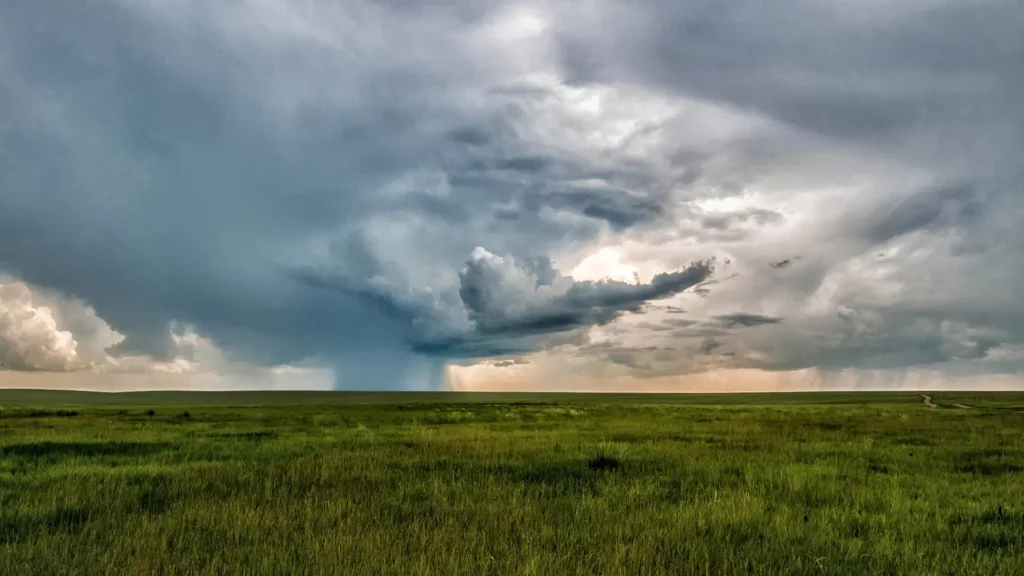
SELERYS rain enhancement and snow augmentation programs serve farms, reservoirs, and hydropower plants during drought.
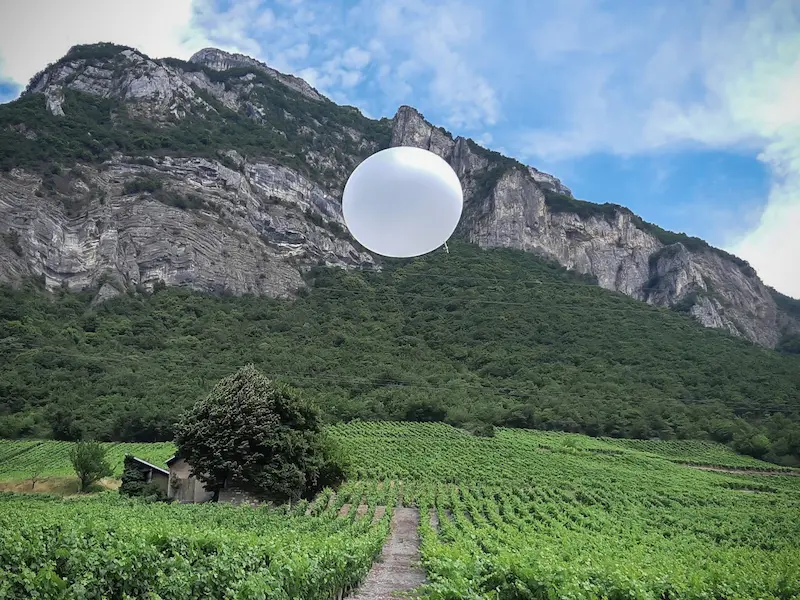
Autonomous LAICO SOBLI cloud-seeding balloons launch in under 5 minutes and release silver iodide or hygroscopic salt directly into forming clouds. CIRRUS, SELERYS‘s AI-driven weather software, coordinates a network of stations and a fleet of balloons and drones.
Facts about rain and snow enhancement through cloud seeding
- Top use cases: watersheds, agricultural fields, orchards, vineyards, water utilities, and hydropower operators, from a single target zone to a nationwide program
- Rainfall: increased on average by up to 25% in Romania, some days peaking up to 400%
- Snow: builds a fuller winter snowpack, primarily benefiting hydropower reservoirs, farmland, and ski resorts
- Efficiency: in-cloud seeding needs 75% less agent than below-cloud seeding
- Speed: LAICO SOBLI balloons launch in less than 5 minutes and LAICO drones in less than 15 minutes; seeding effects register within 10 minutes
- Reliability: an operational success rate above 90%
Balloon networks for fixed sites, drones for stable clouds
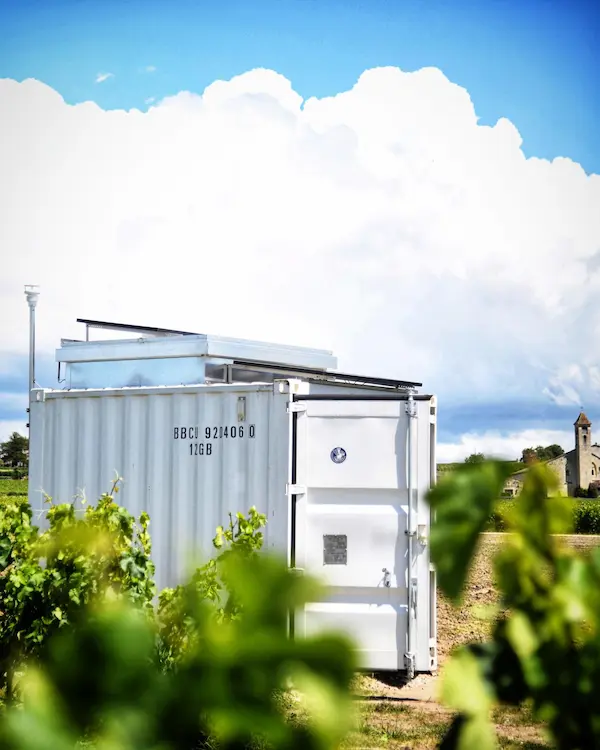
SELERYS‘s autonomous LAICO SOBLI balloons launch from the same fixed station season after season. They don’t require an operator or pre-flight clearance, making them a natural choice for a specific target area, reservoir catchment, or fixed agricultural zone. In turn, smart LAICO drones can seed stable cloud systems without turbulence.
A balloon network can seed cloud systems that build over mountains and stay active for a day or more, at low altitudes where a manned aircraft cannot safely fly — the same winter orographic cloud systems that make snow augmentation possible, covered in detail below. LAICO SOBLI can also operate at night and in turbulent areas. It’s a cost-effective, environmentally sustainable alternative to manned aircraft, which have to stop a rain enhancement mission at sunset for safety.
Where SELERYS balloons and drones each perform best
- Cloud seeding balloon: the only cloud-seeding vector that can reach low-altitude mountain cloud systems
- Cloud seeding drones squad: reaches stable cloud systems
- Balloon network: can operate after dark, unlike a cloud seeding plane or a drone
- Sustainability: inert, biodegradable components — a lower-footprint alternative to burning aircraft fuel
- Single centralized platform: balloons and drones stream data to the same CIRRUS dashboard in real time
How SELERYS cloud seeding creates rain and snow
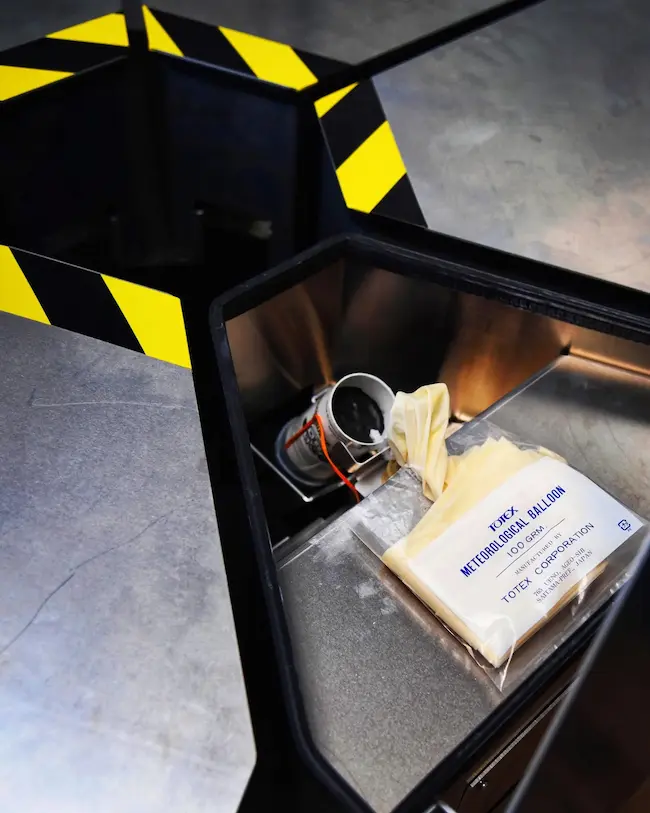
SELERYS seeds a cloud with hygroscopic salt or silver iodide, depending on the cloud type. Salt helps water droplets grow larger, collide, and fall as rain; this works best in warm clouds. Silver iodide multiplies ice-forming particles in cold and mixed-phase clouds, including mountain cloud systems.
By delivering the agent straight into the target cloud, a balloon uses only about 25% of the material compared to the below-cloud method.
Salt versus silver iodide: the seeding methods compared
- Coalescence growth: introduced salt particles act as extra condensation nuclei, so droplets around them become heavier and merge with neighbors on the way down
- Ice-crystal growth: silver iodide provides freezing surfaces for water vapor; ice crystals grow fast, fall through the cloud, and precipitate in snow or melt into rain (depending on local temperature) before reaching the ground
- Material efficiency: seeding inside the cloud needs just 25% of the agent required by ground-based cloud seeding
The precipitation enhancement trial in Romania by SELERYS
SELERYS ran a precipitation-enhancement trial in Romania in 2022, seeding cloud systems over the Cotnari area with autonomous LAICO SOBLI balloons launched from fixed ground stations. Rainfall increased up to 25%. Particularly successful episodes showed rain amounts rising from around 1 l/m² near the entrance of the seeded corridors to more than 5 l/m² at their far end — an increase of 400%.
Seeding effects registered within 10 minutes and lasted 30 to 60 minutes, confirmed by radar and soil-moisture data collected by Romania’s National Agency for Hail Suppression and Precipitation Enhancement (AASNACP). An independent, peer-reviewed study documents the trial: Ilie, Florea, Sârbu, and Popescu, “Using Light, Unmanned Helium Balloons for Rain Enhancement,” Present Environment and Sustainable Development, Vol. 18, No. 1 (2024).
Cloud seeding for rain and snow enhancement: effects by the numbers
- Rainfall: increased up to 25% with LAICO balloons by SELERYS, peaking at 400%
- Response: seeding effects measured within 10 minutes of release, sustained for 30 to 60 minutes
- Reliability: an operational success rate above 90%
- Independent oversight: Romania’s national agency conducts data collection, radar tracking, and statistical analysis
Winter orographic cloud seeding for snow
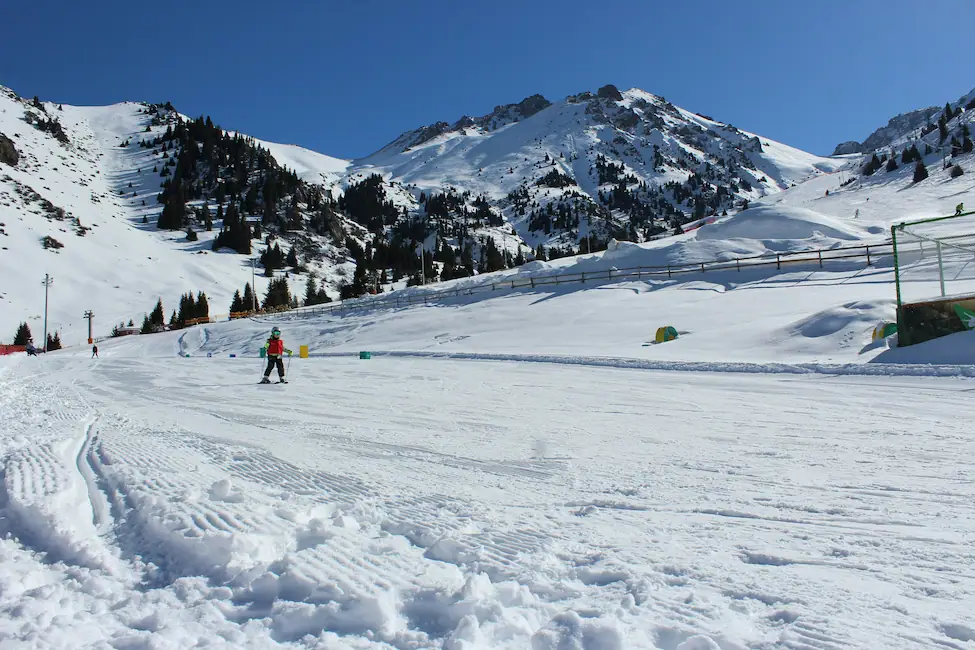
Snow augmentation uses the same LAICO technology as rain enhancement, adapted for cold-cloud conditions. SELERYS targets winter orographic cloud systems (cloud systems that form as moist air rises and cools over a mountain range) because they hold pockets of supercooled water that convert directly to snow once silver iodide is introduced.
These systems can stay active for a day or more and recur at the same sites season after season, making a mountain range a stable, repeatable seeding target.
Increased snowfall means much more than a successful ski season. It improves water supply for hydropower utilities the following summer and provides more water for farmland irrigation and municipal systems further downstream.
How snow augmentation works
- Target: winter orographic cloud systems over mountain ranges, which stay active for a day or more and recur at the same sites each winter
- Mechanism: silver iodide converts pockets of supercooled water into ice crystals, which grow through vapor deposition, riming, and aggregation until they fall as snow
- Key applications: hydropower plants and reservoirs, farmland and orchards, ski regions
- Downstream effect: snowpack melts gradually through spring and summer, ensuring a steady water supply
SELERYS balloons versus ground generators and manned aircraft
SELERYS offers a more efficient way to enhance rainfall than ground-based generators or manned aircraft. A ground-based generator depends on favorable wind to lift its agent into the cloud base, which limits it to clouds already forming near the ground. At the same time, a manned aircraft needs hours of pre-flight preparation, cannot fly after dark, cannot fly at low altitudes, and, under civil aviation rules, can treat only one storm cell at a time, and only at a good distance from mountains. By contrast, LAICO SOBLI balloons launch within 5 minutes, day or night, and seed directly inside the cloud.
| Method | Reaction Time | Key Limitation |
|---|---|---|
| Ground-based generator | Hours of continuous release | Depends on favorable wind; works only for clouds already forming near the ground |
| Manned aircraft | Tens of minutes to hours | One storm cell at a time under civil aviation rules, far from mountains, grounded after dark and by weather |
| LAICO Smart Drone | Under 15 minutes | Needs a licensed operator and flight clearance before every mission. Cannot fly at night |
| LAICO Smart Balloon | Under 5 minutes | No operator or per-flight authorization needed; works around the clock |
Frequently Asked Questions
What is rain enhancement and snow augmentation, and how does it work?
Rain and snow enhancement, also called cloud seeding for rain and snow, works by injecting hygroscopic salt or silver iodide (AgI) into a cloud to increase precipitation (rain or snow). Hygroscopic salt grows water droplets large enough to collide and fall as rain, which works best in warm and/or convective clouds. In turn, silver iodide multiplies ice-forming particles in cold and mixed-phase clouds, including the long-lived cloud systems that build over mountains in winter. SELERYS, a pioneer in atmospheric water resource management technologies, delivers the agent using autonomous LAICO SOBLI balloons or drones guided by CIRRUS, our AI-driven weather software.
Does cloud seeding measurably increase precipitation (rainfall or snowfall)?
Yes. In Romania, a SELERYS program increased rainfall up to 25%, with the most intense episodes reaching roughly 400%, as documented by Romania’s National Agency for Hail Suppression and Precipitation Enhancement (AASNACP) and by an independent, peer-reviewed study (Ilie et al., 2024). Independent evaluations in other countries reached similar conclusions: the World Meteorological Organization reports that more than 40 countries currently run operational atmospheric water resource management programs. Australia’s Snowy Mountains precipitation enhancement project measured a 14% increase, Israel’s Second Randomized Cloud Seeding Experiment showed a 13% to 18% increase, and the UAE’s national cloud seeding program measured a 23% increase.
Does SELERYS operate outside Europe?
Yes, extensively. SELERYS designs, installs, and operates complete precipitation enhancement networks for agricultural regions, water utilities, and institutional clients across North Africa, South America, and Asia, in addition to its programs in Europe. Our systems include balloon launch stations, drones, SKYDETECT X-band radars, EVEARLYS UHF interferometers, and the CIRRUS software that orchestrates the missions.
Does SELERYS's cloud seeding technology also produce snow?
Yes, using the same silver iodide mechanism as rain enhancement, adapted for cold mountain clouds. The SNOWIE project, a glaciogenic seeding experiment run in Idaho’s Payette River basin in 2017 and funded by the US National Science Foundation, independently documented the seeding-to-snowfall mechanism by tracking silver iodide-triggered ice crystals as they formed, grew, and fell to the ground as snow.
A fuller winter snowpack benefits hydropower utilities first (through reservoir levels and the water available downstream for irrigation the following summer), but ski resorts and farmland also benefit from snow enhancement through cloud seeding. As snow melts gradually through spring and summer, it also improves the water supply for fields and orchards.
Cloud seeding balloon or drone: which is better for rain enhancement and snow augmentation?
A balloon suits a fixed site that needs a reliable water supply every season, in all types of weather, including convective settings and mountain cloud systems that a manned aircraft can’t reach at low altitude. Drones work best for seeding stable cloud systems, but in many countries they require a licensed operator and flight clearance first, which isn’t the case for LAICO balloons.
How is balloon-based rain and snow augmentation by SELERYS different from ground-based or aircraft-based methods?
A ground-based generator depends on favorable wind to lift its agent into the cloud base, limiting it to a few clouds already forming near the ground and unable to guarantee any agent-transfer rate. A manned aircraft needs hours of pre-flight preparation and stops flying after dark. LAICO SOBLI balloons need under 5 minutes to launch, day or night, and seed directly inside the cloud rather than from below it.
Is precipitation (rainfall and snow) enhancement by SELERYS safe and environmentally friendly?
Yes. LAICO SOBLI balloons use helium, and every disposable component is inert once it comes down, unlike a drone’s lithium batteries or an aircraft’s exhaust. A standard balloon cloud seeding program saves roughly 75 tonnes of CO2-equivalent a year compared to aircraft-based seeding, according to an independent European Commission-sponsored survey.
How fast can SELERYS respond to increase precipitation?
LAICO SOBLI cloud seeding balloons launch in under 5 minutes and LAICO drones in under 15. Once released, the seeding effect registers within about 10 minutes and lasts 30 to 60 minutes.
get in touch with our team
and find the best response to your needs