
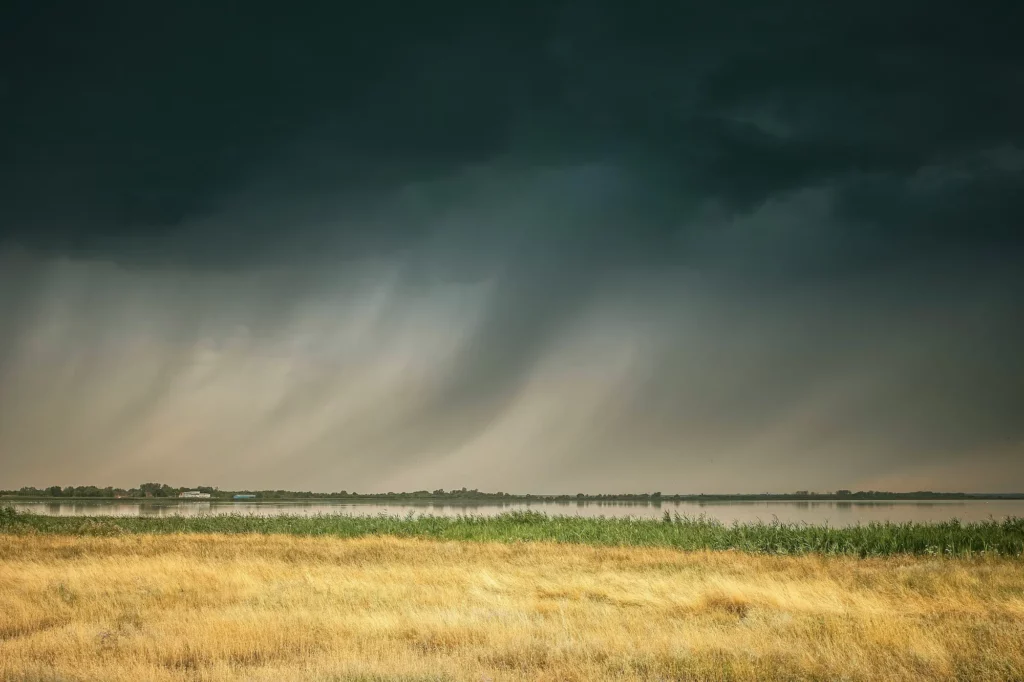
CIRRUS is SELERYS’s weather decision support software. It brings together data from the SKYDETECT radar feed, EVEARLYS lightning interferometer, local weather-station readings, and can integrate & display any third-party data. It adds live launch control for our LAICO cloud-seeding balloons and drones during cloud-seeding missions. Thanks to CIRRUS, both storm early-warning, seedable cloud detection and cloud-seeding sites can manage day-to-day operations from the same dashboard.
CIRRUS at a glance:
- Real-time HD cloud-cell tracking, refreshed every minute, with a 10-to-20-minute motion forecast
- Used for both cloud-seeding and storm early warning projects
- A live overview of weather conditions across several locations
- Multi-user accounts with role-based permissions for field staff, control-room operators, and management
- Automated alerts by phone, email, and SMS, triggered by a chosen weather threshold or zone
- A searchable activity archive covering over a year, with date-based search and a calendar
- Automated self-checks and status alerts for every connected sensor and system
- Remote launch commands and live GPS tracking for SELERYS's cloud seeding LAICO Smart Balloons and Smart Drones, all tracked simultaneously
Cloud and storm monitoring
CIRRUS analyzes data from the SKYDETECT radar, which scans the half-sphere of sky above a site in high definition every 60 seconds, and from the EVEARLYS Interferometer, which scans early-stage electrical activity within the clouds, anticipating growing cumulonimbuses. Radar, lightning, and weather-station data show temperature, wind speed, pressure, and hydrometeor types, and one overview shows live readings for every connected location.
A seedability and storm-risk model scores each cloud cell’s behavior and motion. Using insights from SELERYS’s continuously updated 20-year storm database, CIRRUS identifies both cloud cells that represent opportunities for cloud seeding and those that could become a real threat.
Once CIRRUS selects a cloud cell, it projects that cell’s motion for 10 to 20 minutes ahead. The projection helps the control-room operator decide whether to raise an alert, hold a smart drone launch, or send a cloud-seeding smart balloon toward the target.
Multi-user access and automated alerts
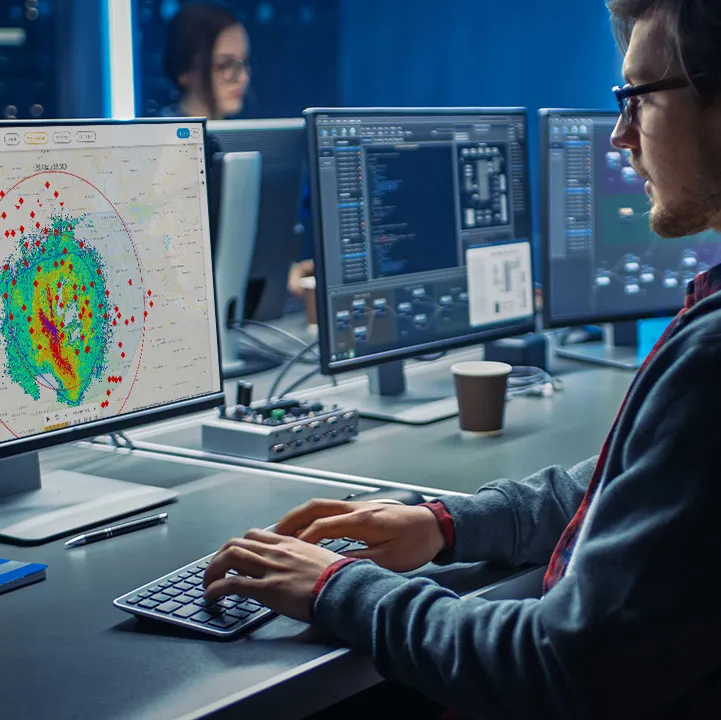
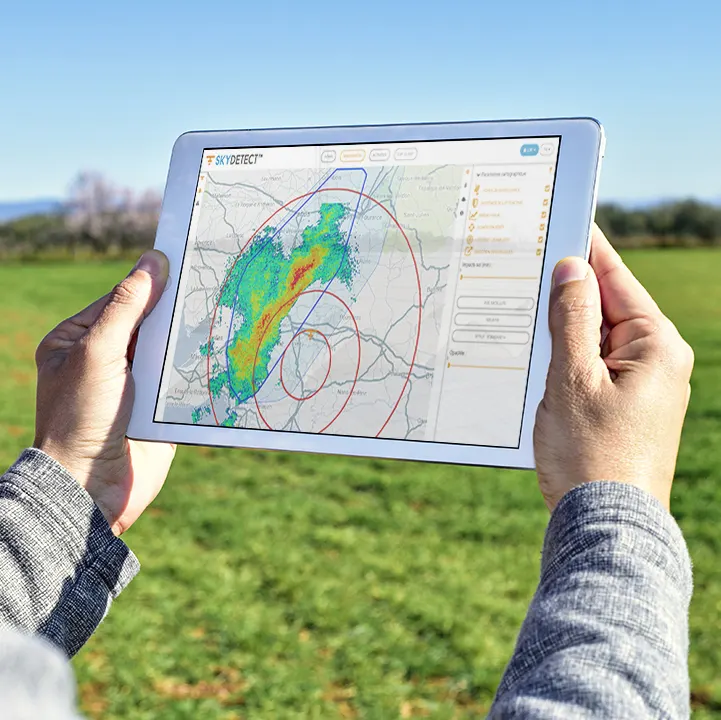
Every CIRRUS account is personal and role-based: field staff, control-room operators, and management can access the features and data relevant to their own role. An operator can set a custom alert threshold and, when needed, a specific alert zone; custom zones can also be requested from SELERYS during project setup.
When the threshold is crossed, CIRRUS notifies the operator by SMS, email, or phone, so the alert reaches the right person even when they are away from the control room.
Activity archive
CIRRUS keeps online a searchable archive of cloud activity and of every seeding session for an area, going back at least 12 months. You can search by date or period to find a specific past weather event, and the archive’s calendar view highlights stormy/cloud systems days in red.
An operator can tag a specific event as a favorite for faster access later. The archive can also replay a past cloud cell’s motion alongside the balloon or drone flight paths from the corresponding mission.
Remote monitoring of sensors and systems
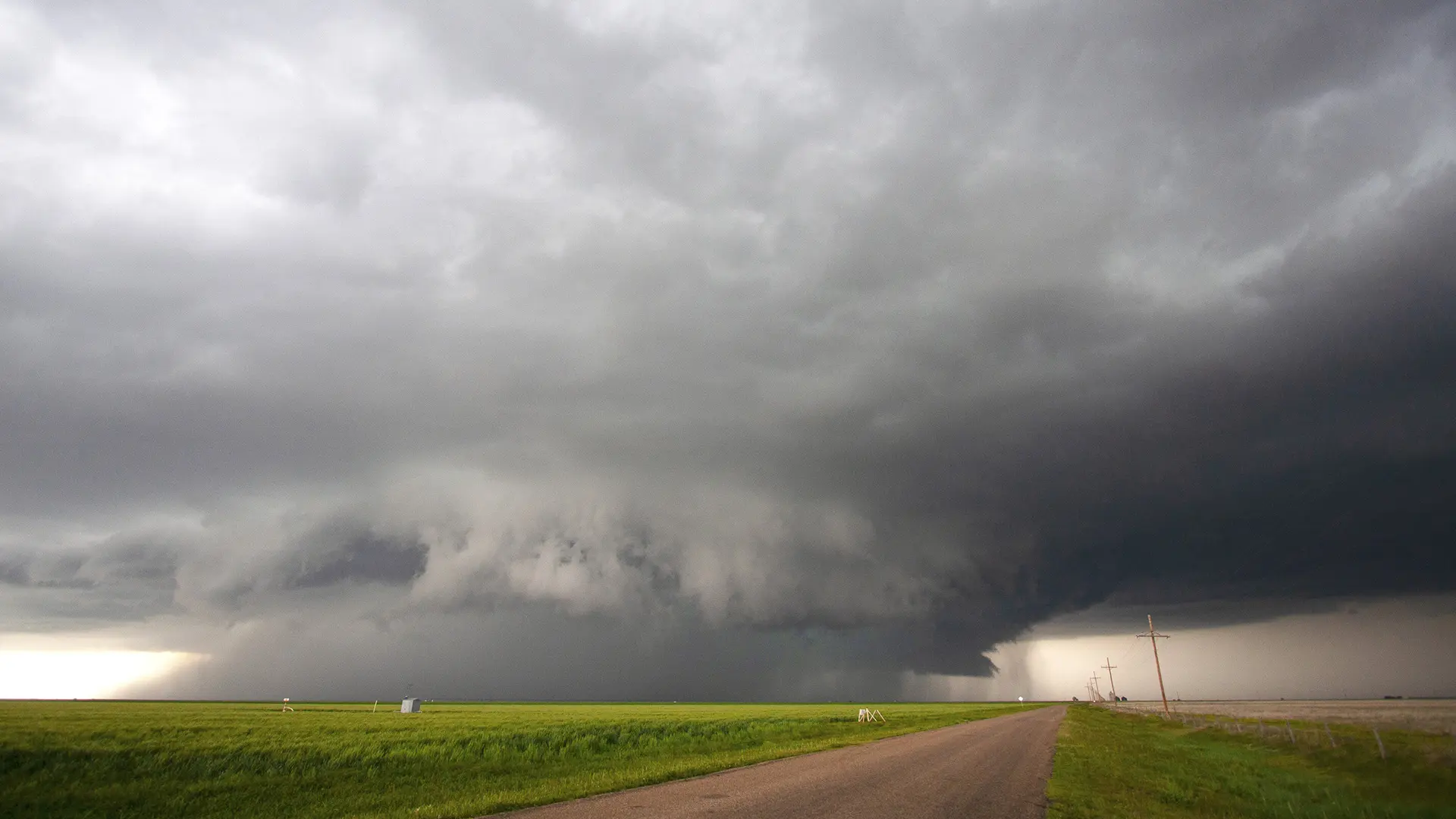
CIRRUS conducts regular self-checks on every connected sensor and system. It displays each one’s live status, from online/offline state and battery level to GSM signal, acquisition level, and connected peripherals. When any of those metrics change, the CIRRUS dashboard sends an alert to help prevent outages. The same monitoring covers SOBLI launch stations, with live visibility of balloon status, gas levels, and more.
A centralized remote command interface, designed by SELERYS engineers, lets operators activate and manage weather systems remotely. SELERYS’s engineering team monitors data centrally across every installation, allowing us to diagnose and resolve most issues without a site visit.
The CIRRUS Mission Manager
The CIRRUS Mission Manager operates launches of LAICO cloud-seeding smart balloons and smart drones. For a drone, the Mission Manager automates pad selection, flight planning, and release of the cloud-seeding agent once the flight is cleared, sending all commands remotely. For balloon-led missions, CIRRUS sends the command straight to the balloon’s SOBLI launch station. Either way, CIRRUS tracks the unit’s exact GPS position and flight path while it’s airborne. A live map shows the location of every LAICO launcher, and an operator can open a specific SOBLI unit or the global view of all launches.
Every launched balloon or drone carries radiosounding instruments commonly used in weather-balloon soundings. They stream live temperature, humidity, and pressure readings back to CIRRUS, and each flight adds to an extensive database of atmospheric data used for the continuous improvement of operations and for scientific research. The software also tracks how many balloons or drone flights each launch station has executed, providing a live read on the remaining flare and balloon stock at the site, and can even send an alert when a cloud seeding opportunity threshold is crossed.
CIRRUS dashboard features
| CIRRUS feature | Storm early warning site | Cloud seeding site |
|---|---|---|
| Cloud and storm monitoring, nowcast | Included | Included |
| Multi-user access, automated alerts | Included | Included |
| Searchable activity archive | Included | Included, plus every seeding session logged |
| Remote sensor and system monitoring | Included | Included |
| Balloon and drone launch control, GPS tracking | Not applicable | Included |
| Flare and balloon stock tracking | Not applicable | Included |
Frequently asked questions
What is CIRRUS, and what does it do?
CIRRUS is the weather decision support software by SELERYS. It centralizes SKYDETECT’s radar feed and the lightning data gathered by EVEARLYS into a single platform, tracks cloud cells in real time, and sends automated alerts. CIRRUS can also gather third-party data and send remote commands to launch and guide LAICO balloons or drones during cloud-seeding and hail-suppression missions.
Does a storm early warning site require LAICO cloud seeding balloons or drones to use CIRRUS?
No. CIRRUS’s monitoring, alerts, and archive can be used the same way across any sites that require advance knowledge of lightning, torrential rain, hail, or slippery-ground risks with up to 60 minutes’ warning. Meanwhile, sites that operate cloud seeding missions using LAICO balloons or drones can also benefit from such CIRRUS features as launch control, GPS tracking, and stock tracking.
How does CIRRUS decide which clouds to monitor?
CIRRUS uses an advanced seedability and storm-risk model that scores each cloud cell’s behavior and motion. The model leverages SELERYS’s in-house, continuously updated cloud systems database that spans two decades. It helps CIRRUS identify which cloud cells pose a threat, from lightning and hail to slippery surfaces, and which can be targeted for cloud seeding.
How far ahead can CIRRUS forecast a cloud's motion?
CIRRUS can project a cloud cell’s position up to 20 minutes into the future, giving an operator a window to decide on a course of action (such as launching a balloon seeding mission or sending a storm alert).
How long does CIRRUS keep historical data?
CIRRUS stores data online for at least one year in an archive with date-based search, favorites tagging, and a calendar that highlights each past cloud system event. CIRRUS users can replay the motion of any previously recorded cloud cell, as well as the flight path of every balloon or cloud seeding drone that targeted the cell.
Can more than one person use CIRRUS at the same time?
Yes. We create the required number of personal, role-based accounts for each client, so managers, operators, and field staff don’t have to share one login.
What happens if a sensor or system loses connection?
CIRRUS catches such disconnects through its own self-checks and raises an alert. In addition, because the SELERYS engineering team continuously monitors status data for all installations, we can often fix the issue remotely.
get in touch with our team
and find the best response to your weather modification needs